Compliance Monitoring Software for Policy Control

For compliance officers and GRC teams, policy management often becomes fragmented long before it becomes visibly risky. Policies live in shared drives, approval trails sit in email, attestations are tracked manually, and version control depends on individual discipline. Compliance monitoring software helps solve that fragmentation by centralizing policy management in a system designed for oversight, accountability, and audit readiness.
When policy governance is centralized, teams can move from reactive document administration to structured compliance operations. The result is not just cleaner records. It is better visibility into obligations, clearer ownership, and faster response when regulators, auditors, or internal stakeholders ask for evidence.
Why compliance monitoring software matters for policy management
Policies are foundational controls. They define expectations, translate regulatory requirements into business rules, and guide employee behavior. Yet many organizations still manage them through disconnected tools that were never built for controlled workflows.
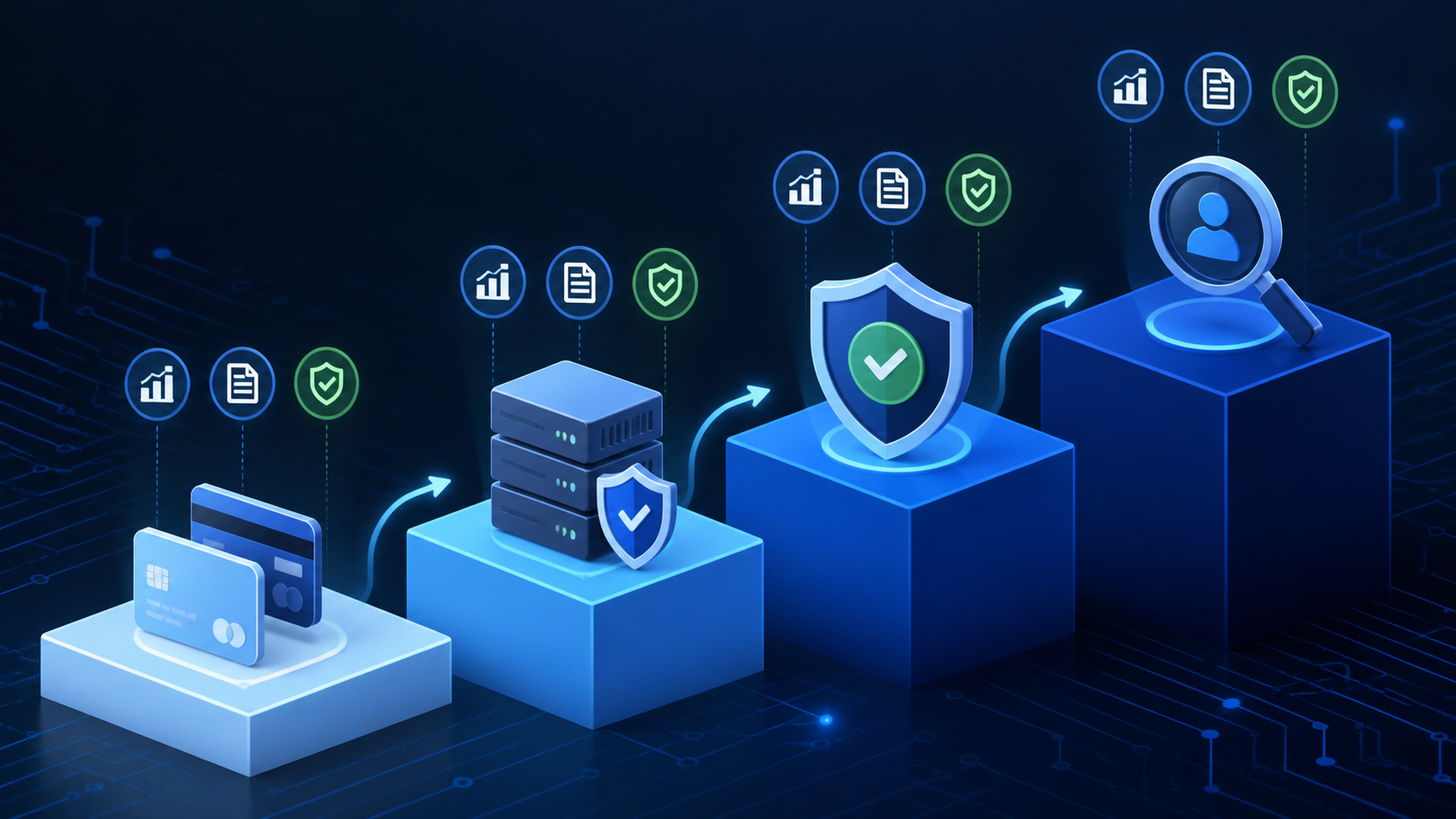
Compliance monitoring software gives organizations a more reliable operating model. Instead of storing policies in one place, reviews in another, and acknowledgments somewhere else, teams can align the full lifecycle in a central environment. That includes drafting, review, approval, publication, employee attestation, exception tracking, and periodic review.
This matters because policy risk is rarely caused by a missing document alone. It usually emerges from weak governance around the document. Common failure points include outdated versions in circulation, unclear owners, overdue reviews, inconsistent distribution, and missing evidence that employees received or acknowledged requirements.
A centralized approach reduces these control gaps and makes policy management more defensible during audits and examinations.
How compliance monitoring software centralizes policy governance
Centralization is not only about putting files in one repository. Effective policy governance requires structure, traceability, and repeatable workflow controls. Compliance monitoring software supports this by bringing related activities into a shared system of record.
In practice, centralized policy management often includes:
- Version control: Teams can track current and prior policy versions, reducing the risk of obsolete guidance remaining in use.
- Defined ownership: Each policy can have assigned owners, reviewers, and approvers, improving accountability.
- Review scheduling: Automated reminders support periodic reviews so policies do not become stale.
- Approval workflows: Standardized routing creates consistency and a clearer audit trail.
- Attestation tracking: Employee acknowledgments can be monitored in a structured way instead of manually reconciled.
- Exception documentation: Deviations and approved exceptions can be linked to the relevant policy.
- Evidence retention: Supporting records are preserved for internal audit, external audit, and regulatory review.
These capabilities help transform policy management from a document task into a monitored control process. For regulated organizations, that distinction is important. Auditors and regulators often want to see not only what the policy says, but also whether governance around the policy is functioning as designed.
What to look for in compliance monitoring software
Not every platform that stores policies can support effective policy governance. For compliance and risk teams, the key question is whether the system improves control effectiveness, not just convenience.
When evaluating compliance monitoring software, focus on capabilities that strengthen oversight and reduce manual dependency:
- Policy lifecycle workflow: Look for configurable review and approval steps that match your governance model.
- Role-based access: Sensitive documents and approval authority should be restricted appropriately.
- Audit trails: The system should log meaningful actions such as edits, approvals, attestations, and review dates.
- Linkage to controls and risks: Stronger platforms connect policies to controls, obligations, incidents, or risk registers.
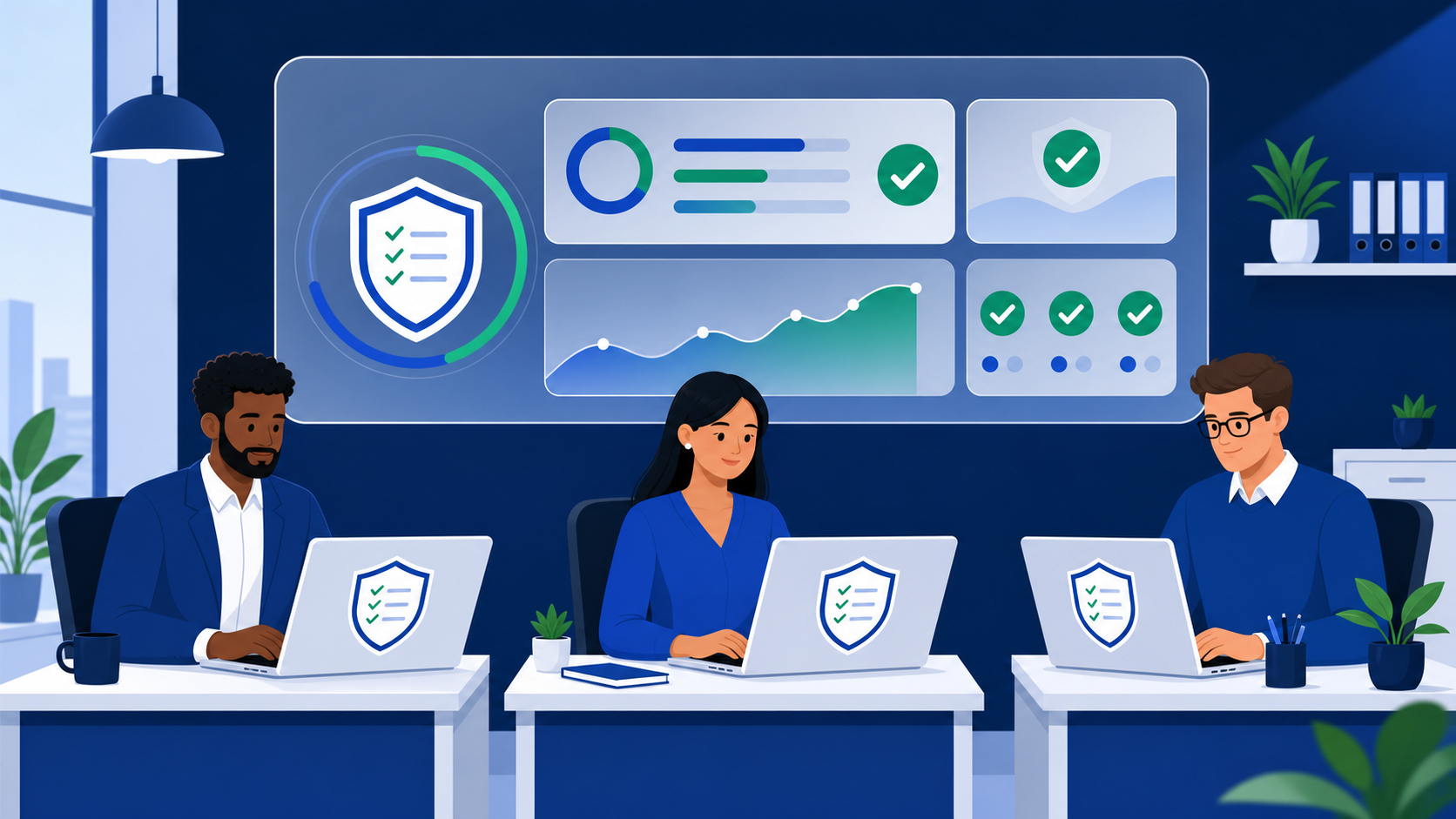
- Reporting and dashboards: Teams need fast insight into overdue reviews, pending attestations, and policy exceptions.
- Notification automation: Reminder and escalation workflows reduce the chance of missed deadlines.
- Searchability and retrieval: During audits or investigations, rapid access to the right record matters.
These features support both operational efficiency and defensibility. A policy library without workflow and evidence capabilities may still leave teams exposed to the same governance weaknesses they were trying to fix.
Common policy management challenges a centralized system can reduce
Most organizations do not struggle because they lack policies. They struggle because policies are difficult to maintain consistently across functions, legal entities, and control environments. Compliance monitoring software can reduce several persistent issues.
Inconsistent policy ownership
Without clearly assigned owners, review cycles slip and accountability becomes diffuse. Centralized systems make ownership visible and easier to enforce.
Manual review cycles
Spreadsheet-based review calendars are prone to oversight. Automated scheduling and reminders help ensure policies are reviewed on time and according to a defined cadence.
Poor evidence of communication
Organizations may distribute policies but fail to retain reliable proof of receipt or acknowledgment. Centralized attestation tracking creates stronger evidence for audits and investigations.
Fragmented records during audits
When evidence sits across multiple repositories, audit preparation becomes slower and riskier. A single system of record improves retrieval, consistency, and confidence in the completeness of documentation.
Difficulty linking policy to broader compliance activity
Policies should not exist in isolation. They should support controls, training, issue management, and regulatory obligations. Centralization makes these relationships more visible and manageable.
Practical steps to centralize policy management successfully
Technology alone will not fix weak governance. To get value from compliance monitoring software, organizations should pair implementation with a clear operating model.
- Standardize policy taxonomy: Define how policies, standards, procedures, and guidance are categorized.
- Clarify governance roles: Document who owns drafting, review, approval, publication, and exception handling.
- Set review frequency by risk: Higher-risk policies may need more frequent reviews than lower-risk documents.
- Define attestation criteria: Not every document requires employee acknowledgment, so establish clear thresholds.
- Align with control frameworks: Map policies to controls and obligations where possible to improve traceability.
- Clean legacy content before migration: Remove duplicates, archive obsolete versions, and validate ownership data.
- Use reporting actively: Monitor overdue actions, attestation completion, and upcoming reviews as management indicators.
These steps help ensure the platform becomes a governance tool rather than just a better storage location. For mature programs, centralization can also support enterprise consistency across business units while preserving local approval requirements where needed.
Centralized compliance monitoring software supports audit readiness
One of the clearest benefits of centralization is improved readiness for audits, exams, and internal reviews. In many organizations, policy evidence is assembled only when a request arrives. That approach consumes time, increases stress, and can expose gaps that were previously hidden.
With compliance monitoring software, audit readiness becomes more continuous. Teams can demonstrate who approved a policy, when it was last reviewed, which version was active at a given point in time, and whether relevant personnel acknowledged it. That level of traceability is especially valuable where policy adherence is linked to legal, regulatory, or contractual obligations.
Centralized policy management does not eliminate compliance risk, but it does make policy governance more measurable, more consistent, and easier to defend.
For compliance leaders, that means less time chasing records and more time evaluating whether the policy framework actually supports the organization’s control environment.
In conclusion, compliance monitoring software can play a critical role in centralizing policy management, improving accountability, and strengthening evidence for audits and regulatory scrutiny. For organizations looking to move beyond fragmented spreadsheets and manual tracking, a structured platform can materially improve governance. If your team is evaluating ways to modernize policy oversight, ComplyGuard SaaS is worth considering as part of that next step.
What software helps track internal policy violations?
Software that helps track internal policy violations is typically compliance monitoring software that combines policy records, incident or case logging, workflow, and evidence retention in one controlled system.
The goal is not just to record that a violation happened, but to connect the event to the relevant policy, route it to the right owner, document the response, and preserve an audit trail.
- Policy-to-incident linking: The system should let teams associate a reported issue, exception, or breach with the exact policy section involved.
- Case workflow: Look for intake, assignment, investigation notes, remediation tasks, due dates, and status tracking.
- Evidence retention: Supporting documents, screenshots, communications, and approvals should stay attached to the record.
- Role-based access: Sensitive violations may involve HR, legal, security, or compliance, so access should be limited by role.
- Attestation history: It should be easy to confirm whether the employee had received and acknowledged the policy before the violation occurred.
- Exception and waiver tracking: The system should distinguish between unauthorized violations and approved exceptions.
- Reporting: Teams should be able to see repeat issues, overdue investigations, policy areas with frequent breaches, and unresolved corrective actions.
If you are evaluating whether a platform can truly support internal policy violation tracking, use a simple checklist:
- Can we log a violation against a specific policy and version?
- Can we assign ownership and escalation deadlines?
- Can we retain investigation evidence in the same record?
- Can we separate allegations, confirmed violations, and approved exceptions?
- Can we show remediation steps and closure history during an audit?
Policy monitoring solutions for government
Policy monitoring solutions for government should support controlled policy lifecycles, clear accountability, documented approvals, and defensible records for audits, oversight, and public-sector review.
Government teams often need more than document storage because policies may involve formal reviews, cross-department approvals, employee acknowledgments, exception handling, and long retention expectations. A workable solution should make those controls visible and repeatable.
- Central repository with version history: Staff should be able to identify the current approved policy and review prior versions when needed.
- Structured review cycles: The system should schedule periodic reviews and flag overdue items before they become compliance gaps.
- Approval traceability: Each approval step should be documented so teams can show who reviewed what and when.
- Department-level ownership: Policies should have named owners, with escalation paths when reviews or updates stall.
- Acknowledgment tracking: Agencies and public-sector teams often need proof that affected employees received required policies.
- Exception documentation: When deviations are allowed, the rationale, approver, and duration should be recorded.
- Audit-ready reporting: Teams should be able to produce records for overdue reviews, missing attestations, policy changes, and open corrective actions.
When selecting a solution, ask practical questions tied to government workflows rather than marketing labels:
- Can it support formal review and approval steps across multiple departments?
- Can it preserve a complete record of publication, communication, acknowledgment, and revision?
- Can it limit access based on role while still giving oversight teams visibility?
- Can it produce defensible reports without manual spreadsheet consolidation?
- Can it align policy activity with broader compliance tasks, investigations, and remediation?
Teams that need a central system for policy governance and monitoring can evaluate ComplyGuard alongside these requirements.
How to choose software for tracking internal policy violations and policy monitoring
Choose software for tracking internal policy violations and policy monitoring by prioritizing traceability, workflow control, and evidence management over basic file storage.
A strong evaluation process keeps teams focused on whether the system can support day-to-day compliance operations, not just hold policy documents.
- Map your process first: List how a policy is created, approved, published, acknowledged, reviewed, and enforced after a possible violation.
- Identify required records: Decide what evidence you must retain for audits, internal investigations, and management reporting.
- Test real scenarios: Ask whether the platform can handle an overdue review, a missed attestation, a reported violation, and a documented exception.
- Check accountability: Confirm that owners, reviewers, investigators, and approvers can each have clear responsibilities and due dates.
- Review reporting outputs: Make sure you can quickly produce reports on violations, review status, attestations, and remediation progress.
- Validate control strength: Look for permissions, history logs, and preserved records that support defensible governance.
If a system cannot connect policy content, policy acknowledgments, violation records, and remediation activity, it may still leave compliance teams relying on manual follow-up and fragmented evidence.